Everyday Clues a Garbage Disposal Is Ready for Repair or Replacement

When to Call for Garbage Disposal Service

A kitchen garbage disposal works hard behind the scenes, grinding food scraps and helping keep drains clear. Over time, though, blades dull, motors weaken, and seals wear out. Before the unit fails completely, it often gives early warnings that trouble is developing. Recognizing those signals can help prevent clogs, cabinet damage, and unexpected downtime in a busy kitchen. This guide covers three of the most common signs that garbage disposal repair or garbage disposal replacement may be the best next step: unusual sounds or bad smells, garbage disposal leaks under the sink, and units that refuse to run without repeated resets.

Strange Noises or Bad Smells

bads smell A healthy garbage disposal typically makes a steady grinding sound, then winds down quickly when switched off. When something is wrong, that sound often changes. Common red flags include garbage disposal humming without spinning, loud rattling if utensils or hard objects are lodged inside, or harsh screeching that can point to worn bearings or damaged internal parts. These noises usually mean the motor or grinding components are under strain and that prompt garbage disposal repair is important to avoid complete failure.

Odors are another clear warning. A strong, lingering smell from the disposal opening often indicates trapped food particles or grease coating hidden surfaces. Bits of waste can become stuck under the splash guard, along the grinding chamber walls, or near the discharge outlet. Basic cleaning may reduce smells for a short time, but foul odors that keep returning can signal deeper buildup or corrosion inside the unit. At that stage, a plumber may recommend more thorough cleaning, targeted repairs, or full garbage disposal replacement if internal wear is advanced.

Leaks

leak Water in the cabinet beneath the sink is never a good sign, and a leaking garbage disposal is a frequent culprit. Garbage disposal leaks can appear at several locations:

  • The top, where the unit attaches to the sink flange
  • Side connections that link to the dishwasher or drainpipe
  • Seams or openings on the bottom of the disposal housing

Minor leaks caused by loose mounting hardware or worn gaskets can sometimes be corrected with adjustments or part replacement. However, if water seeps directly from the body of the unit, the internal casing or seals may be compromised. Continued operation in that condition can damage cabinets, flooring, and nearby materials. In many cases, a new garbage disposal installation offers a more reliable long-term solution than repeated patchwork repairs.

It Won’t Turn On or Needs Frequent Resets

Power and performance issues often indicate hidden electrical or mechanical problems. Warning signs include a disposal that does nothing when the switch is flipped, one that only produces a faint buzz, or a unit that frequently shuts off during normal use. If operation resumes only after pressing the garbage disposal reset button, and this reset becomes a regular routine, the internal overload protector is signaling that the system is working outside normal limits.

Repeated tripping can result from dull blades, internal jams, failing motors, or wiring problems. Ignoring these symptoms can lead to sudden breakdowns or potential safety concerns. A licensed plumber can inspect the system, determine whether cost-effective garbage disposal repair is feasible, or advise when garbage disposal replacement is the safer and more dependable choice.

About Jeffrey Burke Plumbing, Heating & Cooling

Jeffrey Burke Plumbing, Heating & Cooling is a trusted heating, cooling, and indoor air quality company providing timely and courteous service throughout Bound Brook and the neighboring areas. With competitive prices and skilled technicians, it’s no surprise that they have a 4.9 rating on Google. Call them today to schedule garbage disposal services in Bound Brook, NJ.

Distribution Links +

How Smart Thermostats Transform Everyday Comfort

Smart Thermostats and Their Benefits Explained

The wall thermostat serves as the control center for the entire heating and cooling system. Older properties often rely on a basic manual thermostat, which only changes settings when someone stands in front of it and adjusts the dial or buttons. A modern smart thermostat moves beyond that simple approach with sensors, connectivity, and automation that help equipment run more efficiently and keep indoor temperatures steadier. This overview explains how smart thermostats work, the main advantages of upgrading, and clues that a new thermostat installation may be the right move.

What Is a Smart Thermostat?

A smart thermostat is an advanced temperature control device that connects to a home network and often to a smartphone app. Instead of relying only on manual adjustments, the device can be monitored and controlled remotely, whether someone is in the next room or away from the house. Many models provide detailed information about run times and temperature trends.

Compared with a simple manual thermostat or a basic programmable thermostat, a smart unit typically offers more flexible scheduling, occupancy sensing, and integration with other smart home equipment. Some devices learn preferred temperature patterns over time and automatically fine‑tune settings. The result is a control system designed to reduce wasted operation while still maintaining comfortable living spaces.

Benefits of Smart Thermostat Installation

save money Smart thermostat installation can deliver noticeable improvements in comfort and operating costs. More accurate sensors and smarter scheduling features help reduce heating and cooling when rooms are empty, which supports better overall energy efficiency. Remote access makes it easier to adjust temperatures during vacations, workdays, or changing seasons, so equipment does not run at full output when it is not needed.
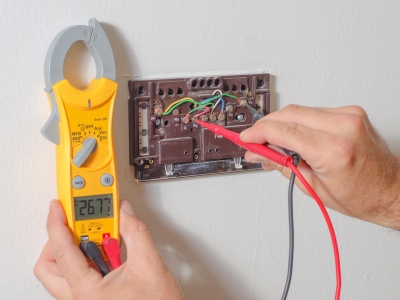
Many smart thermostats also generate usage reports and send alerts about unusual behavior, dirty filters, or potential issues with the heating and cooling system. These insights encourage timely maintenance and can extend equipment life. Taken together, these benefits often mean lower utility bills, more consistent temperatures, and a system that feels easier to manage day to day.

Signs to Replace a Thermostat

thermostatEven the best device eventually wears out or falls behind newer technology. Several warning signs suggest that thermostat replacement should be considered. Common clues include frequent temperature swings, an unresponsive screen, buttons that no longer register, or a display that keeps fading or shutting off. A heater or air conditioner that refuses to start or stop when settings appear correct can also point to a failing control.

Older thermostats that cannot communicate properly with high‑efficiency equipment, lack modern safety features, or lose programmed schedules are additional candidates for an upgrade. Ignoring these symptoms can lead to higher energy use, uneven comfort, and added strain on furnaces and air conditioners. Professional thermostat installation ensures correct wiring, placement, and setup so that a new smart thermostat can operate as designed and deliver reliable performance.

About Jeffrey Burke Plumbing, Heating & Cooling

With upfront pricing and knowledgeable technicians, it’s easy to see why Jeffrey Burke Plumbing, Heating & Cooling consistently ranks high on Google for customer service and satisfaction. Their trusted team ensures that every call gets answered and provides upfront pricing and dependable work. Call them today for smart thermostat installation in Bound Brook, NJ.

Distribution Links +

Better Water Quality With a Whole-Home Filtration System

The Importance of Installing a Water Filtration System

Water from the tap affects drinking, cooking, cleaning, and even the lifespan of appliances. While municipal treatment removes many impurities, water can still carry minerals and other contaminants by the time it reaches indoor fixtures. Installing a dedicated water filtration system offers extra protection and greater peace of mind. This overview explains the importance of installing a water filtration system, how these units work, the benefits they provide, and common signs that a property may be ready for water filter installation.

What Do Water Filtration Systems Do?

In simple terms, a water filter separates unwanted materials from the water supply. Different filter media capture or neutralize contaminants such as sediment, chlorine, certain metals, and various organic compounds.

Common components include:

  • Sediment cartridges that trap sand, rust, and other visible particles
  • Activated carbon that reduces chlorine, many odours, and some chemical byproducts
  • Specialty media designed for hardness or particular dissolved substances

A whole-house water filter, or whole-home water filter, is usually installed near the main line so that every tap and appliance receives treated water. In some cases, point‑of‑use filters are added at individual fixtures, such as under a kitchen sink, to provide extra polishing where drinking and cooking water are drawn most often.

Benefits of Installing a Water Filtration System

water Filtration offers advantages that go beyond better taste. Cleaner water can:

  • Improve flavour and smell for drinking, coffee, tea, and cooking
  • Reduce scale inside kettles, dishwashers, and water heaters
  • Help protect fixtures and glassware from mineral spots and staining
  • Limit certain irritants that may aggravate sensitive skin or hair

Because fewer particles travel through valves and aerators, everyday plumbing components may also experience less wear. Over time, these benefits can translate into lower maintenance needs and a more pleasant experience at every tap.

Signs a Home Needs a Water Filtration System

water Several clues suggest that a filtration upgrade may be due. Common indicators include:

  • Persistent chlorine or metallic tastes
  • Cloudy water, visible sediment, or rust‑coloured stains in sinks and tubs
  • Heavy scale on shower doors and fixtures despite regular cleaning
  • Frequent reliance on bottled water or pitcher‑style filters

Changes in water characteristics after plumbing repairs, main‑line work, or seasonal shifts can also hint at underlying issues. In these situations, a licensed plumber can test the supply and recommend appropriate water filtration system installation to address the specific contaminants present.

About Jeffrey Burke Plumbing, Heating & Cooling

Jeffrey Burke Plumbing, Heating & Cooling is a top-rated plumbing, heating, air conditioning, and indoor air quality contractor providing affordable services to Bound Brook and the nearby communities. They offer timely and courteous service from experienced, knowledgeable technicians. Call them today to schedule water filtration system installation in Bound Brook, NJ.

Distribution Links +

Breathe Easier This Winter With A Whole House Humidifier

The Advantages of Installing a Whole Home Humidifier and Signs It’s Needed

Cold weather brings more than low temperatures. Indoor air often becomes dry and uncomfortable once furnaces run regularly, leading to a range of issues for people and property. Installing a whole-home humidifier can restore balanced humidity and make winter living spaces far more pleasant. This post explains how a whole-house humidifier works, common signs that humidifier installation may be needed, and key benefits of a humidifier when integrated with an existing heating system.

What Does a Whole House Humidifier Do?

A whole-house humidifier is designed to add moisture to all heated rooms, not just a single area. Typically mounted on the supply or return side of a furnace or air handler, it connects to the ductwork and a water source. As warm air passes through or over the humidifier pad or steam outlet, controlled amounts of moisture are introduced into the airstream and distributed evenly throughout the home.

Winter is when this matters most. Cold outdoor air naturally holds less moisture than warm air. Once that air is heated indoors, relative humidity drops even further, leaving the environment very dry. A whole-home humidifier monitors humidity levels and operates as needed to maintain a comfortable range, counteracting this seasonal dryness.

Unlike portable units, a central system works quietly in the background, requiring less daily attention while providing consistent results across multiple rooms and floors.

Signs the House Needs a Humidifier Installation

dry skin Several clues point to humidity being too low. One of the most visible is damage to wood. Hardwood floors or wooden furniture may show gaps, cracks, or warping as they lose moisture. Doors can shrink slightly and rattle in their frames, and trim may separate at joints.

Physical discomfort is common as well. Residents may notice dry, itchy skin, chapped lips, or irritated eyes that seem to worsen during heating season. Respiratory irritation, such as a scratchy throat or persistent dry cough, can become more frequent in overly dry air. Those with asthma or allergies often report more severe symptoms under these conditions.

Other signs of low humidity include nosebleeds that occur more often in winter and frequent static electricity shocks when touching metal surfaces, electronics, or even other people. When several of these issues appear together, they strongly suggest that whole-house humidifier installation or whole-home humidifier installation would help restore a healthier level of humidity.

Benefits of a Whole Home Humidifier

save money Balancing indoor humidity brings a long list of advantages. One of the most noticeable is improved comfort at lower thermostat settings. Proper humidity helps air feel warmer, which means many households can reduce heating levels slightly without feeling chilled. That change supports better energy efficiency and can lower heating costs over the course of a winter.

Health and indoor air quality benefits are significant. A well‑tuned whole-house humidifier eases dryness in nasal passages and throats, reducing irritation and helping calm some coughs. Many people with allergies or asthma find that moderate humidity lessens symptom severity by keeping airways from becoming overly dry.

From a property protection standpoint, stable humidity prevents wood floors, furniture, musical instruments, and other wooden items from cracking or deforming due to repeated drying. Reduced static electricity is another perk, protecting sensitive electronics and making daily life more comfortable. Skin and hair tend to retain moisture more easily as well, cutting down on flaking, itching, and frizz.

Together, these benefits of a humidifier make whole-home humidifier installation a compelling upgrade for any household facing long, dry winters.

About Jeffrey Burke Plumbing, Heating & Cooling

The trusted technicians at Jeffrey Burke Plumbing, Heating & Cooling provide dependable work and 5-star service in Bound Brook and the surrounding communities. With fair prices and high-quality service since 1986, you can depend on them for all your HVAC needs. Call today to schedule humidifier installation in Bound Brook, NJ.

How to Protect Plumbing During Colder Temperatures

How to Prevent Frozen Pipes This Winter

As temperatures drop, it’s essential to protect the plumbing from the risks of frozen pipes and potential water damage. A single pipe burst can quickly turn into a costly task, from water leak repair to cleanup, especially during extended cold spells. With a few simple strategies—such as adding pipe insulation, keeping interior spaces warm, and preparing each outdoor faucet—systems can stay resilient when freezing weather arrives. This guide explains how to insulate pipes, keep vulnerable areas warm, and winterize exterior fixtures to reduce the chance of freezing pipes, a burst pipe, or flooding.

Insulate the Pipes

pipes Pipe insulation provides a protective layer that helps maintain temperature in vulnerable lines. Adding foam sleeves or wrap to exposed runs is an effective way to insulate pipes in unheated areas such as attics, crawl spaces, garages, and unfinished basements. Focusing on exterior walls and spaces with drafts reduces the chance of frozen pipes and lowers the likelihood of a pipe burst during cold snaps.

Prioritize any sections that have shown trouble in past winters or that sit close to outside air. Pipe insulation slows heat loss and helps water remain above freezing for longer periods. In locations with repeated issues, some households add heat cable beneath insulation for added defense on historically problematic stretches. Both hot and cold water lines benefit from this approach, since freezing pipes can occur in either. A quick walkthrough to identify exposed sections, followed by a targeted plan to insulate pipes, offers a cost-effective safeguard against sudden leaks and flooding.

Keep the Heat on and Open Cabinets

sinkA steady indoor temperature is one of the simplest defenses against frozen pipes. Consistent heating helps keep water moving and reduces the chance of ice forming inside lines tucked along exterior walls. To help that warmth reach hidden plumbing, keep cabinet doors open beneath sinks in kitchens and bathrooms, especially where piping runs near outside walls. This allows warm air to circulate around supply lines that might otherwise remain in colder, enclosed spaces.

Additional airflow measures can help. Interior doors left open encourage even circulation, while clear vents and registers ensure heated air reaches corners where lines may be located. Together, these practices help the heating system distribute warmth more effectively and reduce the risk of a pipe burst. Pairing these habits with basic heating maintenance—like replacing filters and keeping returns clear—supports consistent temperatures throughout the building and prevents unnecessary strain during extended cold periods.

Winterize Outdoor Faucets

An outdoor faucet faces direct exposure to winter conditions and is among the first fixtures to freeze. Effective plumbing winterization reduces the chance of freezing pipes and back-pressure that can lead to an interior leak. Begin by disconnecting garden hoses and attachments; trapped water in hoses can freeze and force ice into connected lines. Store hoses indoors once drained to prevent damage.

Locate the interior shut-off for each outdoor faucet and close it to stop the supply. Outside, open the handle fully to allow remaining water to drain and relieve pressure. Leaving the handle open through the season gives any residual ice a path to expand without forcing a pipe burst. Once drained, add an insulated faucet cover to shield the spigot from wind and extreme temperatures. In areas with recurring issues, frost-resistant fixtures and proper slope on exterior runs add further protection against freezing and a sudden pipe burst.

This layered approach—drain cleaning where needed, well-timed water heater maintenance for steady hot-water delivery, and seasonal preparation around each outdoor faucet—builds a strong defense against freezing risks. Thoughtful preparation now helps prevent leaks, backups, and flooding when temperatures drop.

About Jeffrey Burke Plumbing, Heating & Cooling

Jeffrey Burke Plumbing, Heating & Cooling is a highly rated plumbing and HVAC company providing 5-star service in Bound Brook and the surrounding areas. Their team of dependable experts takes pride in offering prompt response and a satisfaction guarantee. Call them today for burst pipe repair in Bound Brook, NJ.

Distribution Links +

Everything You Need to Know About Boilers

Boiler Basics to Help Keep a Home Warm and Efficient

Choosing among today’s boiler options can feel complex, especially when the goal is steady comfort and strong efficiency. This guide simplifies the essentials of a boiler heating system so that a well-matched model, service plan, and budget without guesswork.

What Is a Boiler?

A boiler is a closed vessel that heats water or produces steam, sending warmth through radiators, baseboard heaters, or radiant floors. Unlike a furnace that pushes heated air through ducts, a boiler heating system delivers heat via hot water or steam piping, creating an even, draft-free indoor environment. Because there is no blower fan cycling on and off, operation is typically quiet and consistent.

Several traits make a boiler stand out. Hydronic heat distribution promotes balanced room temperatures, while reduced air movement can help limit dust and allergens compared to forced air. Many households value the gentle, radiant feel and the ability to zone—adjusting the heat independently in different parts of the home. With proper boiler maintenance, a well-cared-for system can serve dependably for years.

Signs That Boiler Repair Is Needed

sounds Most systems send early signals before an unexpected shutdown. Recognizing those cues can prevent disruptions and extend the life of the boiler heating system.

Common indicators that point to a need for professional boiler repair include:

  • Water collecting around the unit or visible drips from piping
  • Noticeably higher utility bills without a change in usage or weather
  • Uneven heat—some rooms are warm while others stay cool
  • New or unusual noises, such as banging, whistling, or gurgling

More subtle issues matter too. If the system takes longer to bring rooms to temperature, that can signal declining efficiency and worn components. Odors during operation—especially those with a metallic or scorched smell—should be checked promptly. Fluctuating readings on the pressure gauge can also indicate a need for service. Any sign of incomplete combustion or ventilation concerns warrants immediate attention from a qualified technician.

When age, repeated service calls, or chronic performance problems start to accumulate, evaluation for boiler replacement may be the most cost-effective path. Upgrading to a modern unit, combined with proper boiler installation practices, often restores efficiency and reliability while creating a fresh baseline for maintenance.

How to Keep a Boiler Efficient

boiler Regular, professional boiler maintenance is the foundation of dependable performance and lower operating costs. A qualified technician typically inspects heat exchangers, tests safety controls, and cleans components that collect debris over time. Venting paths are checked for blockages, water pressure is verified within the manufacturer’s recommended range, and overall combustion and circulation are assessed. This comprehensive approach helps prevent small concerns from becoming costly repairs and supports lasting efficiency.

Between annual visits, a few simple habits keep a boiler heating system in top shape. Bleeding radiators can remove trapped air and improve heat transfer. Monitoring small leaks around valves or piping helps prevent minor issues from escalating. Keeping the area around the unit clear promotes ventilation and safe service access. Following the maintenance schedule recommended by the manufacturer, and with the installing contractor’s support, warranty compliance and long-term performance are also ensured.

When a system is past its prime, experiencing frequent breakdowns, or unable to deliver consistent comfort, planning a boiler replacement can be the smartest investment. Modern models, installed to current standards, offer strong efficiency potential and better integration with zoning, smart controls, and water quality solutions. Proper boiler installation—sizing, venting, controls, and water chemistry considerations—plays a crucial role in achieving the expected benefits.

Ultimately, the right balance of preventive care and timely boiler repair protects comfort through the coldest days, while thoughtful replacement decisions keep energy usage and overall costs in check. Consistent attention to efficiency, paired with a clear maintenance plan, ensures a boiler heating system remains a reliable cornerstone of indoor comfort for seasons to come.

Call Jeffrey Burke Plumbing, Heating & Cooling

Jeffrey Burke Plumbing, Heating & Cooling provides expert plumbing and HVAC services in Bound Brook and the surrounding areas. Call them today for neat and tidy service from trustworthy technicians offering leading boiler services in Bound Brook, NJ.

Distribution Links +

Preventing Backflow With Regular Testing

Hand holding a glass under a kitchen faucet, filling with clean water, emphasizing the importance of backflow prevention and safe drinking water.

The Importance of Backflow Prevention and Testing

Regular backflow testing serves as the front line against water contamination in residential and commercial plumbing systems. A compromised backflow preventer can create an unseen pathway for pollutants to enter potable water, affecting public health. This guide explains how scheduling an annual backflow test verifies that each backflow prevention device is working as intended, protecting clean drinking water and maintaining regulatory compliance.

Backflow prevention and testing reduce the risk of contaminants entering potable water through cross-connections or pressure fluctuations. When a backflow preventer or related assembly fails, pollutants can move into supply lines without obvious warning. Consistent backflow testing confirms performance, supports public health protections, and aligns with codes that help safeguard community water systems.

What Is Backflow?

Water flowing into a sink drain, illustrating potential backflow issues in plumbing systems related to water contamination risks.Backflow is the reversal of flow that allows contaminated water to move into potable lines. This event typically occurs when pressure drops or becomes imbalanced, enabling non-potable water to enter piping designed for drinking water. Two primary mechanisms cause backflow: back‑siphonage (negative pressure drawing fluids backward) and back‑pressure (downstream pressure exceeding supply pressure). Both scenarios can transport sewage, chemicals, fertilizers, or other hazardous substances into potable systems. Cross-connections create the route for this water contamination, which is why installation and maintenance of an appropriate backflow prevention device are essential in facilities, irrigation systems, and process water applications.

What Is Backflow Testing?

Backflow testing evaluates the integrity and performance of prevention assemblies to ensure reverse flow cannot reach potable lines. A certified backflow test employs calibrated gauges to check pressure differentials and confirm that check valves, relief valves, and shutoffs in the backflow preventer operate correctly under simulated conditions. Annual testing is widely required because mechanical components can wear, stick, or fail over time. Properly documented backflow testing identifies issues early, supports compliance, and helps maintain a reliable barrier between contaminants and drinking water.

The Importance of Routine Backflow Testing

Woman drinking water from a glass, promoting the importance of clean and safe drinking water in relation to backflow prevention and plumbing maintenance.Routine backflow testing:

  • Protects water quality by confirming that each backflow prevention device maintains required pressure relationships and seals against reverse flow.
  • Reduces unexpected repair costs by catching worn parts and small leaks before they escalate into system damage or service interruptions.
  • Supports code compliance, as most jurisdictions mandate periodic certification to protect public health.
  • Strengthens community safeguards, since preventing a single cross-connection incident can avert broader water contamination.
  • Consistent testing, combined with timely maintenance or replacement of failing components, keeps a backflow preventer functioning effectively and helps ensure clean, safe water for occupants and surrounding neighborhoods.

About Jeffrey Burke Plumbing, Heating & Cooling

Jeffrey Burke Plumbing, Heating & Cooling is a leading provider of plumbing and HVAC services with over 35 years of experience. They are committed to doing tidy work and providing reliable water safety solutions from trusted technicians. Call them today for backflow prevention services in Bound Brook, NJ.

Distribution Links +

Replacement vs. Repair: A Guide to Air Conditioning Systems

Tools on top of an air conditioning unit, including pliers, screwdrivers, and a red toolbox, emphasizing HVAC maintenance and repair services.

AC Repair vs. Replacement

When an unexpected breakdown occurs, many property owners turn to air conditioner repair as a quick, cost-effective solution. Deciding between AC repair and full air conditioner replacement depends on factors like system age, performance, and overall operating costs. The following guide outlines when air conditioning repair makes sense and when AC replacement is the smarter investment.

Cooling Performance Issues

Couple sitting on a couch, woman using a handheld fan and looking uncomfortable, man fanning himself with a paper, indicating inadequate cooling and HVAC issues.Inadequate cooling is one of the clearest indicators of HVAC trouble. A system might run constantly without achieving the desired temperature, or certain rooms may remain warmer than others despite proper thermostat settings. Poor airflow often accompanies these problems, leading to uneven cooling. Common causes include refrigerant leaks, compressor malfunctions, or clogged air filters restricting proper circulation—issues that may require either air conditioner repair or, in more severe cases, air conditioning replacement.

Energy Bills and Mechanical Warning Signs
A sudden spike in energy bills without increased usage suggests that the unit is working harder than normal to maintain comfort levels. According to the U.S. Department of Energy, air conditioning accounts for roughly 12% of annual residential energy expenses, so sharp increases deserve immediate investigation. Unusual noises—such as grinding, squealing, or banging—often indicate mechanical problems that could lead to complete system failure without timely AC repair or AC replacement.

Frequency of Repairs

Technician servicing air conditioning unit, inspecting wiring and connections, highlighting maintenance for energy efficiency and potential replacement needs.Multiple service calls each cooling season typically signal that air conditioner replacement will be more cost-effective than ongoing air conditioning repair. Units over 10–15 years old are especially likely to benefit from replacement rather than repeated fixes.

When AC Replacement May Be Needed
Air conditioning replacement becomes the more practical financial choice when repair costs exceed half of the system’s current value. Age is often the most important factor—most central air conditioners last 15–20 years with proper maintenance. Once a unit passes the 15-year mark, AC replacement should be strongly considered.

Improperly sized equipment also causes ongoing comfort and efficiency problems that repairs alone cannot solve. An oversized unit cycles on and off too often, while an undersized system runs continuously without achieving target temperatures. Mismatched indoor and outdoor components can reduce efficiency by up to 30%, making air conditioner installation of a correctly sized system a smart long-term investment.

A practical cost evaluation involves multiplying the unit’s age by the repair estimate—if the result exceeds $5,000, air conditioning replacement is typically the better option.

Benefits of Replacing an Air Conditioner

Modern air conditioner installation offers significant advantages, often making the upgrade well worth the initial expense. Energy-efficient models can reduce cooling costs by 20–40% compared to units more than a decade old. Lower monthly utility bills reflect these savings immediately.

Replacing an aging system with a new AC installation eliminates the frustration of frequent repairs and service calls. A new unit can run efficiently for years with only basic maintenance, while older systems often require costly attention every few months.

Proper sizing during air conditioning installation ensures maximum performance and efficiency from the start. Professional load calculations match the system’s capacity to the property’s exact cooling needs.

Additionally, newer models offer advanced features such as variable-speed compressors, smart thermostats, and enhanced air filtration. These improvements not only enhance comfort but also maintain lower operating costs for the life of the system.

About Jeffrey Burke Plumbing, Heating & Cooling

Jeffrey Burke Plumbing, Heating & Cooling is a reliable plumbing and HVAC company serving Bound Brook and the neighboring areas. They provide prompt responses from trustworthy technicians, so that customer satisfaction is guaranteed. Call them now for expert air conditioning services in Bound Brook, NJ.

Distribution Links +

Less Mess, More Value: Why Trenchless Repair Is Worth It

Excavated trench showing underground pipes and plumbing tools, illustrating trenchless pipe repair process.

What Makes Trenchless Pipe Repairs Better Than Other Repair Methods

Trenchless pipe repair isn’t just a trend; it’s a smarter, cleaner, and more future-ready solution for addressing damaged or aging underground pipes. Unlike traditional techniques that require extensive excavation, trenchless technology enables professionals to restore or replace pipes with minimal disruption. Built around efficiency, durability, and convenience, trenchless pipe repairs are an ideal option for both homeowners and businesses. Whether the issue is a broken sewer line or a corroded water pipe, trenchless methods deliver lasting results without tearing up the property.

Less Invasive

Trench showing a gray pipe installed underground with minimal excavation, illustrating the benefits of trenchless pipe repair for landscaping preservation and reduced disruption.One of the most valued benefits of trenchless pipe repair is how little it disrupts the property. Traditional pipe repair can destroy landscaping and hardscaping, but trenchless technology is designed to avoid that kind of damage.

  • No major excavation: Only one or two small access points are needed—no long trenches across the yard.
  • Preserves landscaping and hardscaping: Lawns, driveways, patios, and gardens remain mostly undisturbed.
  • Cleaner worksite: Less digging means fewer messes and less debris scattered around.
  • Faster cleanup: With no trenches to refill, cleanup is quicker and less labor-intensive.

By avoiding large-scale digging, trenchless repair helps property owners save time, money, and stress on restoration work, eliminating the need to repair torn-up landscaping, driveways, or sidewalks.

Faster

Hourglass on a table symbolizing the speed and efficiency of trenchless pipe repair services offered by Jeffrey Burke Plumbing, emphasizing reduced project timelines and minimal disruption.Trenchless pipe repair isn’t just neater—it’s also significantly faster. When time is of the essence, this modern approach cuts down on both project timelines and inconvenience.

  • Reduced project timelines: Many trenchless repairs can be completed in a single day.
  • Fewer disruptions: Faster repairs mean less downtime for water service and plumbing usage.
  • Streamlined methods: Techniques like pipe relining and pipe bursting eliminate time-consuming digging and backfilling.

Quick doesn’t mean cutting corners. Trenchless repairs offer both speed and high-quality results, making them perfect for urgent repairs and busy households.

Durable

Trenchless repair offers more than just speed and convenience—it delivers long-lasting results. The materials and methods used are built for durability and future protection.

  • Long-lasting materials: Cured-in-place pipe (CIPP) liners and HDPE pipes are designed to last 50 years or more.
  • Resistant to damage: These materials withstand corrosion, root intrusion, and common pipe failures.
  • Fewer future repairs: Properly executed trenchless repairs minimize the likelihood of future plumbing issues.

Investing in trenchless pipe repair means choosing a long-term solution over a temporary fix. It’s a forward-thinking choice for homeowners seeking reliability and peace of mind.

About Jeffrey Burke Plumbing, Heating & Cooling

Jeffrey Burke Plumbing, Heating & Cooling is a family-owned company proudly serving Bound Brook, NJ, with reliable plumbing, heating, and cooling services. Known for their trustworthy technicians and prompt response, they answer every call with urgency and care. Backed by a 9-star Google rating, A+ BBB accreditation, and a satisfaction guarantee, they’re a top choice for quality trenchless pipe repair service in the area.

Ways to Save On Cooling Costs This Summer Without Sacrificing Comfort

Person inserting a coin into a pink piggy bank, symbolizing savings and financial efficiency in home cooling costs.

Save Money While Staying Comfortable

Staying comfortable in the summer doesn’t have to mean sky-high utility bills. By making simple adjustments to enhance air conditioner efficiency and implementing smart cooling strategies, homeowners can enjoy a cool, pleasant home while keeping energy costs under control. Regular AC maintenance, timely air filter replacement, smart use of ceiling fans, and upgrading to a smart thermostat are all effective steps to reduce energy costs without sacrificing comfort.

AC Maintenance and Replacing Air Filters

One of the most important ways to save money on home cooling is to ensure the air conditioner runs smoothly and efficiently. AC maintenance and air filter replacement play a critical role in maintaining system performance and lowering energy bills.

  • Regular AC Maintenance: Scheduling annual air conditioner maintenance ensures that a trained technician thoroughly checks all components, including refrigerant levels, electrical connections, coils, and more. This helps catch small issues before they become large, costly repairs and keeps the system running at optimal efficiency, which translates directly into energy savings throughout the summer.
  • Air Filter Replacement: Dirty or clogged AC filters force air conditioners to work harder, resulting in higher energy bills and increased wear and tear on the system. Replacing the air filter—or AC filter—on time ensures unobstructed airflow, better cooling, and less strain on the equipment. For most homes, an AC filter replacement should be performed every 1-3 months. However, households with pets or individuals with allergies may benefit from more frequent changes.

In addition to saving money, routine air filter replacement and maintenance improve indoor air quality and help extend the lifespan of the AC equipment. By staying on top of AC maintenance and prioritizing air filter replacement, homeowners can avoid expensive emergency breakdowns and enjoy lower cooling costs.

Utilize Ceiling Fans

Ceiling fan in a modern setting, illustrating enhanced air circulation and energy efficiency for cooling homes alongside air conditioning systems.Another key way to save on cooling costs is to make the most of ceiling fans, which can work in tandem with the air conditioner to increase comfort and reduce utility bills.

  • Enhanced Air Circulation: Ceiling fans help distribute cool air more evenly throughout each room, eliminating hot spots and making the entire space feel cooler. This allows the AC to run less often or at a higher thermostat setting, saving electricity in the process.
  • Allowing for Higher Thermostat Settings: When ceiling fans are used in conjunction with air conditioning, most people can increase the thermostat setting by 4 degrees without compromising comfort. This simple adjustment can lead to energy savings.
  • Year-Round Value: Ceiling fans aren’t just for summer—they can be reversed in the winter to distribute warm air. During the summer months, the ceiling fan should turn counterclockwise, and in the winter, it should spin clockwise at a low speed.

Incorporating ceiling fan use into the household’s cooling routine is a low-cost, highly effective method to reduce reliance on the air conditioner and cut summer cooling costs.

Install a Smart Thermostat

Smart thermostat displaying temperature setting of 74°F, highlighting energy-efficient climate control solutions for homeowners.Smart thermostat installation is quickly becoming one of the most popular solutions for homeowners aiming to control cooling costs and increase efficiency.

  • Automatic Temperature Adjustments: Smart thermostats learn daily routines and automatically adjust temperature settings to optimize comfort and save energy—no need to manually program schedules every week.
  • Remote Control From Anywhere: With smart thermostat installation, the entire home’s cooling system can be easily managed via smartphone apps, whether the homeowner is at work, traveling, or simply relaxing on the couch.
  • Energy Usage Insights: Modern smart thermostats provide energy tracking and reports, allowing homeowners to see when and how energy is being used and make adjustments for maximum savings.
  • Increased Efficiency and Comfort: Advanced sensors and algorithms ensure the HVAC system runs only when needed, further improving air conditioner efficiency and lifespan. Pairing a smart thermostat with routine AC maintenance ensures optimal system performance.

Professional thermostat installation ensures the device is set up for seamless integration with existing air conditioning equipment and provides expert guidance on utilizing all features to their fullest potential.

About Jeffrey Burke Plumbing, Heating & Cooling

Jeffrey Burke Plumbing, Heating & Cooling is a family-owned business dedicated to providing top-notch plumbing, heating, and cooling services. They offer 24-hour emergency service and trustworthy technicians. Call them for air conditioning services in Bound Brook, NJ.